
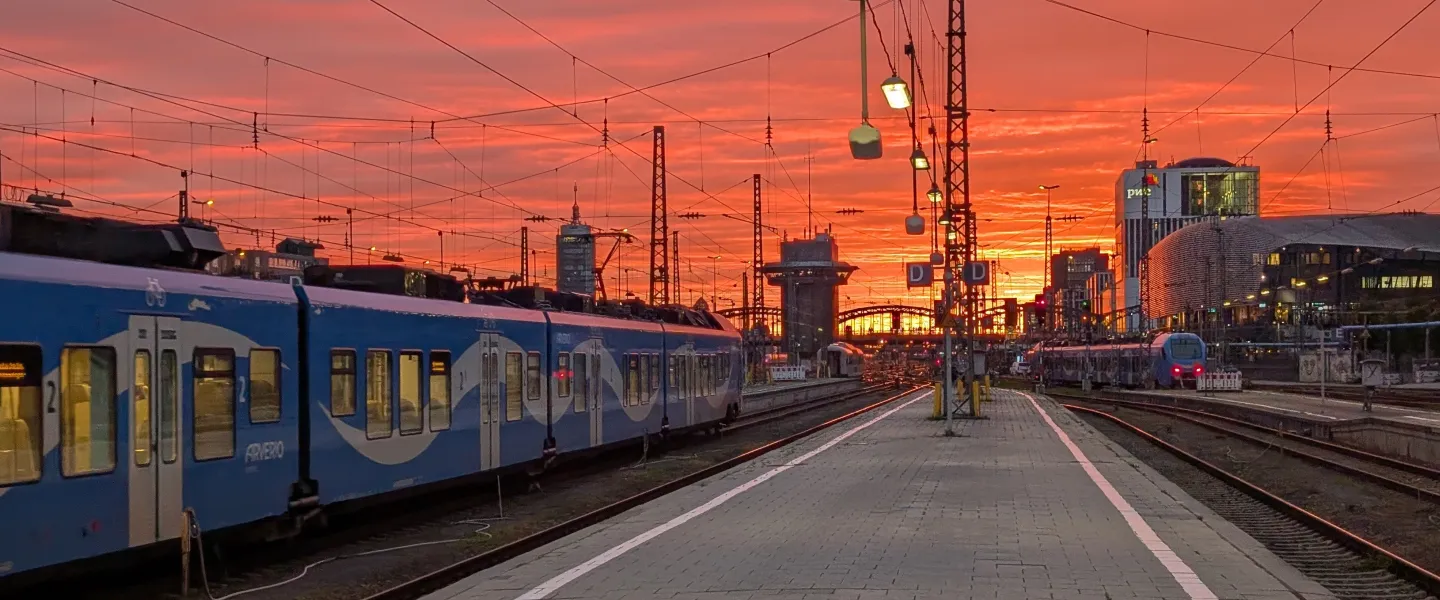
Seat reservations do not ruin the Interrail pass; they are an operational hurdle in a handful of countries. Treat France, Spain, and Eurostar with the advance planning you would give an airline flight. For Italy, it’s not as constraining, but budget extra for each train ride. Treat the rest of Europe pretty much like your personal walk-on transit network; you may run into mandatory reservations here and there, but they’re cheap and easy.
Trains You Can Ride Without Seat Reservations
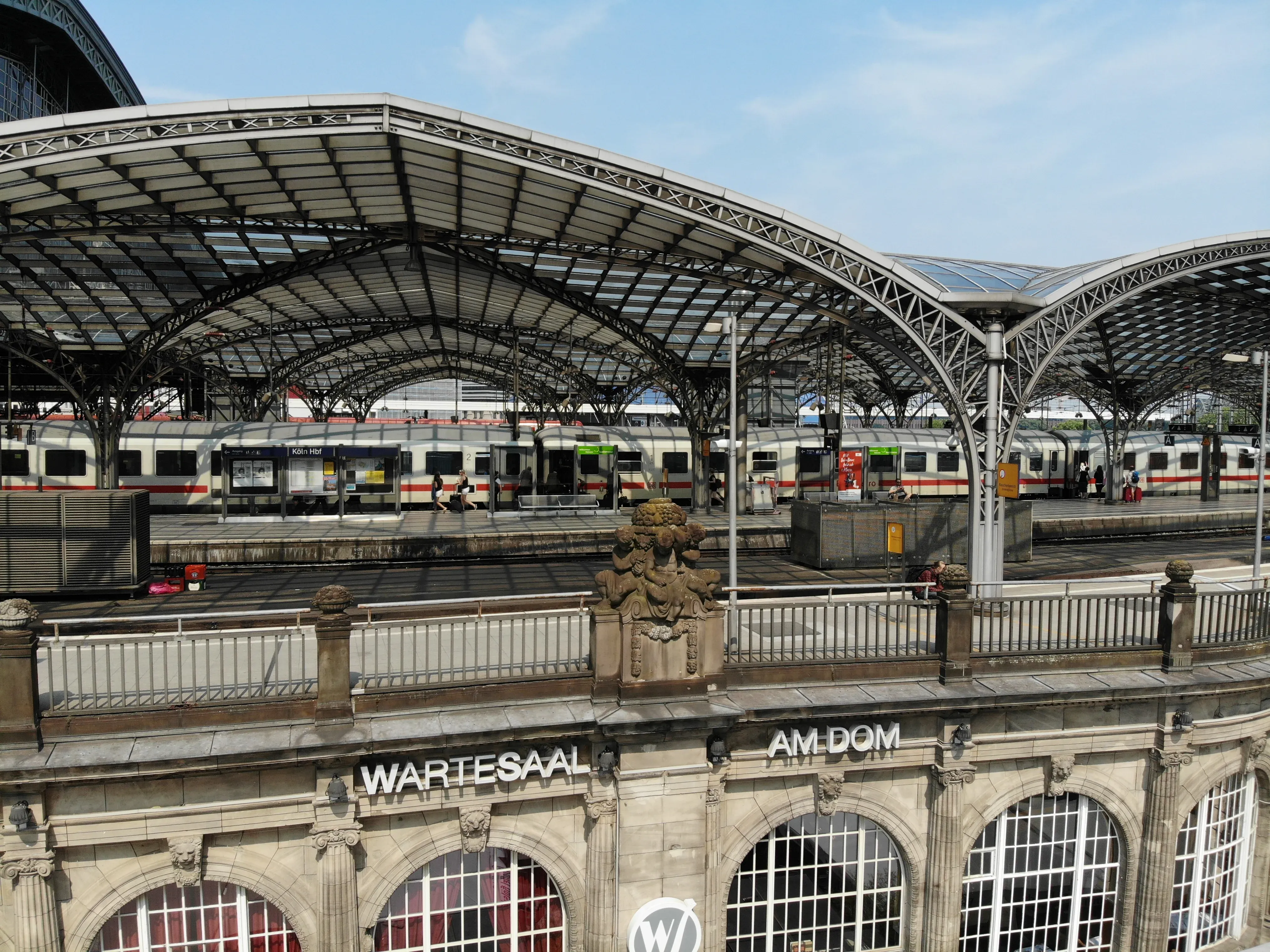
If your trip involves France, Spain, or Italy, you will deal with (or dodge) mandatory reservations, but across Central and Eastern Europe plus Scandinavia, you can walk onto most trains without a reservation. Seat reservations don’t ruin the Interrail pass, but reading online travel forums would make you think otherwise.
Interrail is what spontaneous European train travel is supposed to feel like. You travel light with a backpack, stroll into the station 10 minutes before departure, and walk on any train like you own it. If an incoming train runs late and you miss a connection, you’re not undone; there is another train going your way that you can hop. You just grab an open seat and scan your pass barcode when the conductor walks through the car. Zero euros in added fees. No hassle making reservations. It’s still alive and the Interrail Pass makes it possible.
Much of Europe does operate on this open walk-on model:
- Germany (Deutsche Bahn): Intercity-Express (ICE) trains between Berlin, Munich, Frankfurt, Cologne, and Hamburg require zero mandatory reservations. Reserving a seat is completely optional (€5.20 in 2nd class, €6.50 in 1st class). If you don’t care where you sit, just board and look for an unreserved seat.
- Austria (ÖBB): Flagship Railjet trains connect Vienna, Salzburg, Innsbruck, and Graz with no mandatory seat reservations.
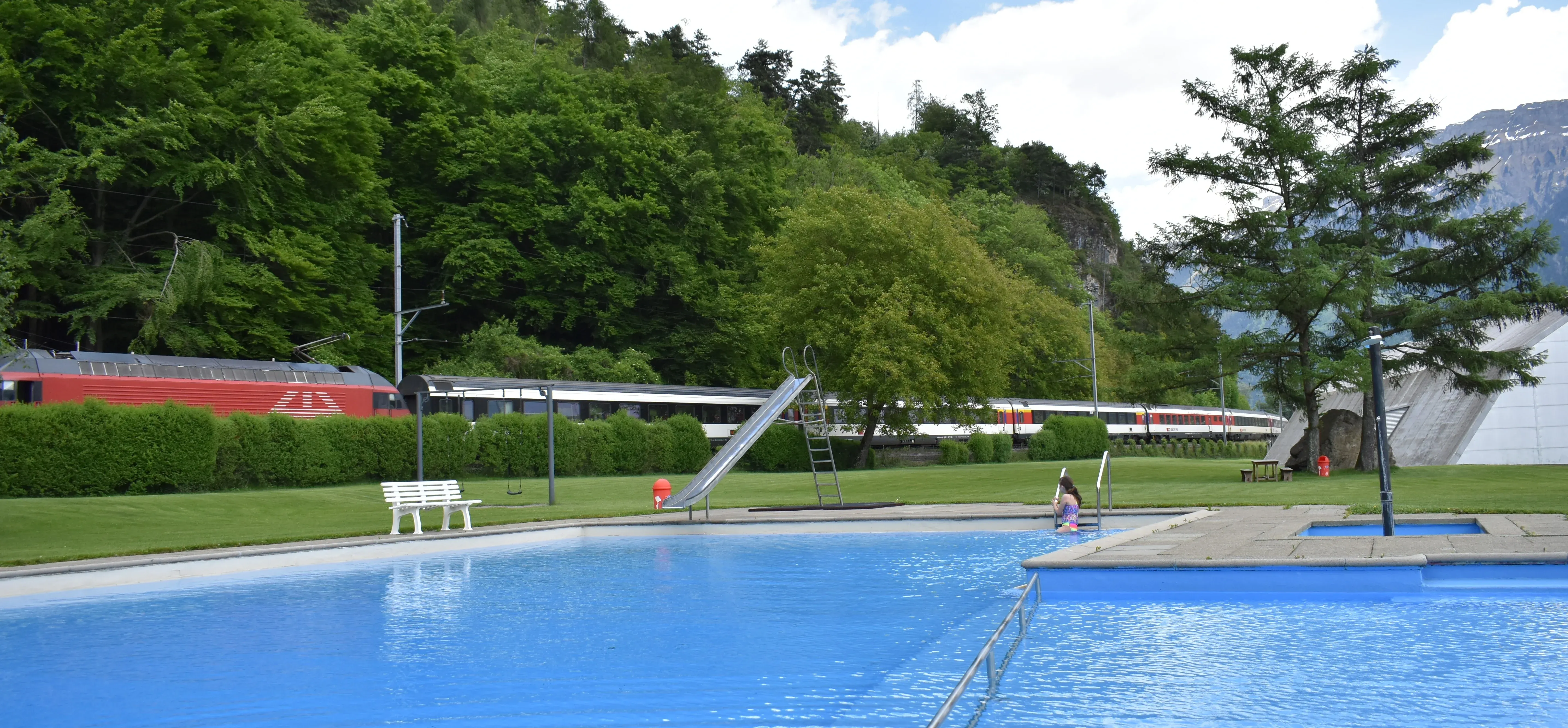
- Switzerland (SBB): One of the most punctual rail systems in the world is almost entirely walk-on. SBB Giruno, Twindexx, and InterCity double-deckers—even those rocketing through the 57-kilometer Gotthard Base Tunnel—do not require seat reservations. Swiss locals rarely bother buying them.
- Netherlands (NS) & Belgium (SNCB): Domestic Intercity and regional trains don’t even have seat reservations. Furthermore, the 200 km/h Eurocity Direct connecting Brussels and Amsterdam operates without mandatory seat reservations—skip that hefty Eurostar fee.
- Great Britain (National Rail): Intercity operators like LNER (Azuma) and Avanti West Coast (Pendolino) offer free optional seat reservations, but walking on with an Interrail pass is standard.
For normal daytime city-to-city travel across Central and Northern Europe, mandatory reservations simply do not exist.
Note: this does not mean every single train outside Western Europe is reservation-free. Night/sleeper trains like the ÖBB Nightjet charge mandatory supplements for couchettes and sleeper compartments. Scenic tourist trains with panoramic glass roofs, like Switzerland’s Glacier Express, charge extra seat fees. Some international trains, especially when you’re traveling into France or Italy, are going to require reservations if you cross the border. Peak summer services also don’t technically require reservations, but you may want to think of them as required… you’re rolling the dice if you don’t book ahead.
Amsterdam to Budapest - Capital Hopping With No Mandatory Reservations
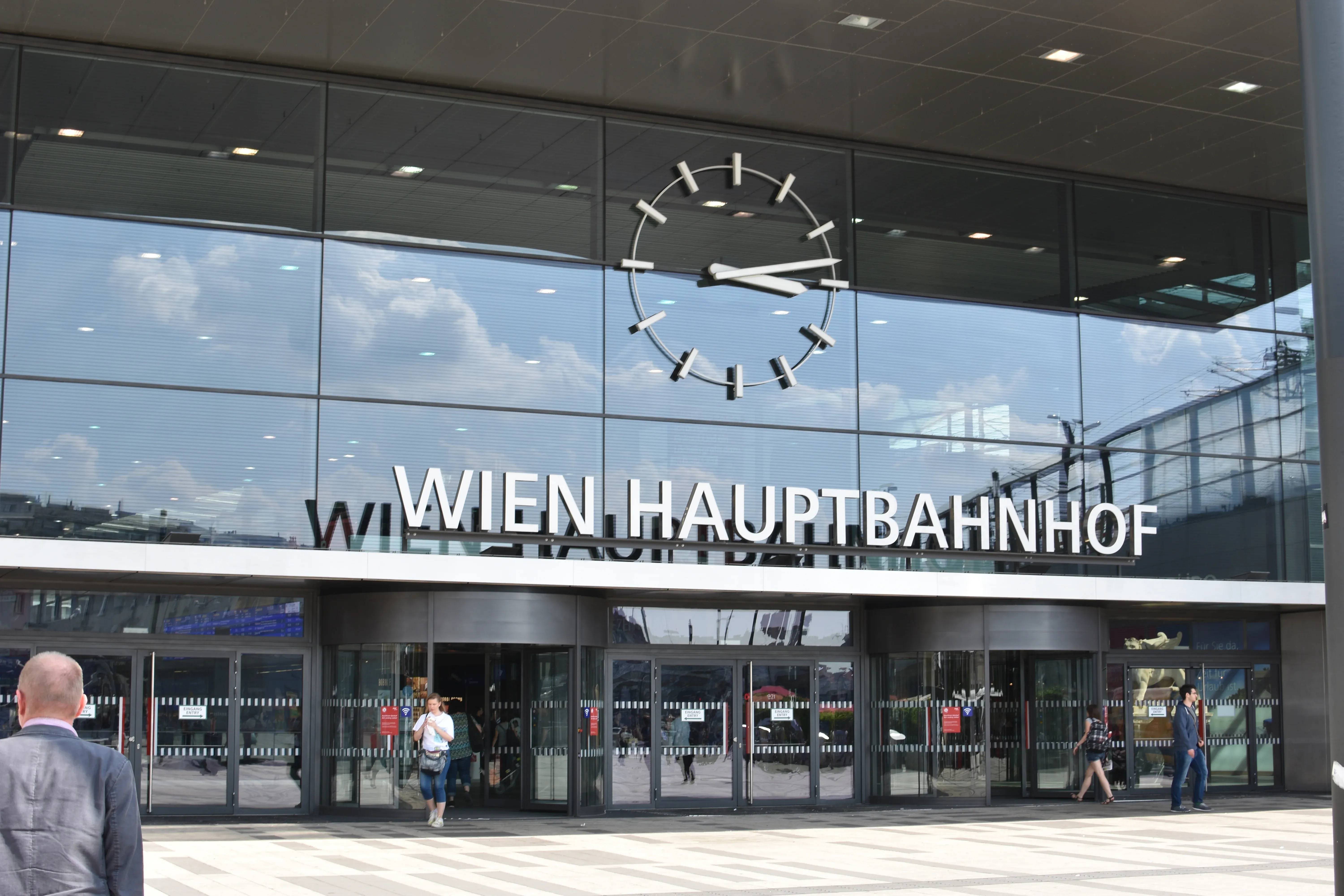
To see how open-network rail travel works in practice, look at a classic multi-country itinerary across the heart of the continent. You can travel from Amsterdam to Budapest through 5 international borders and 6 capital cities on premier high-speed and EuroCity trains without paying a single mandatory seat reservation fee:
- Amsterdam Centraal to Berlin Hbf: Board the DB/NS Intercity, which departs every 2 hours. Settle into an unreserved seat with your pack overhead. Mandatory reservation fee: €0.
- Berlin Hbf to Prague hl.n.: Hop on a České dráhy (ČD) / DB EuroCity train running south. Mandatory reservation fee: €0.
- Prague hl.n. to Vienna Hbf: Take an ÖBB/ČD Railjet via Brno. These trains are great. Modern, air-conditioned cars, free Wi-Fi, and a full restaurant car. Mandatory reservation fee: €0.
- Vienna Hbf to Bratislava hl.st.: Catch an hourly Regional-Express (REX) train along the Danube. It takes a bit over an hour to connect the two closest capital cities in Europe. Walk on and sit down. Mandatory reservation fee: €0.
- Bratislava hl.st. to Budapest Nyugati: Bounce back to Vienna first or take a daytime EuroCity train connecting Slovakia and Hungary. Mandatory reservation fee: €0.
That is over 1,200 miles of international travel linking Amsterdam, Berlin, Prague, Vienna, Bratislava, and Budapest. You can wake up in Vienna, decide over morning coffee to grab lunch in Bratislava or roll into Budapest for dinner—all with complete schedule flexibility and $0 spent on seat reservations. That Interrail vibe still exists and it’s more widespread than you’d think.
France, Spain, and Italy Have Reservation Hassles
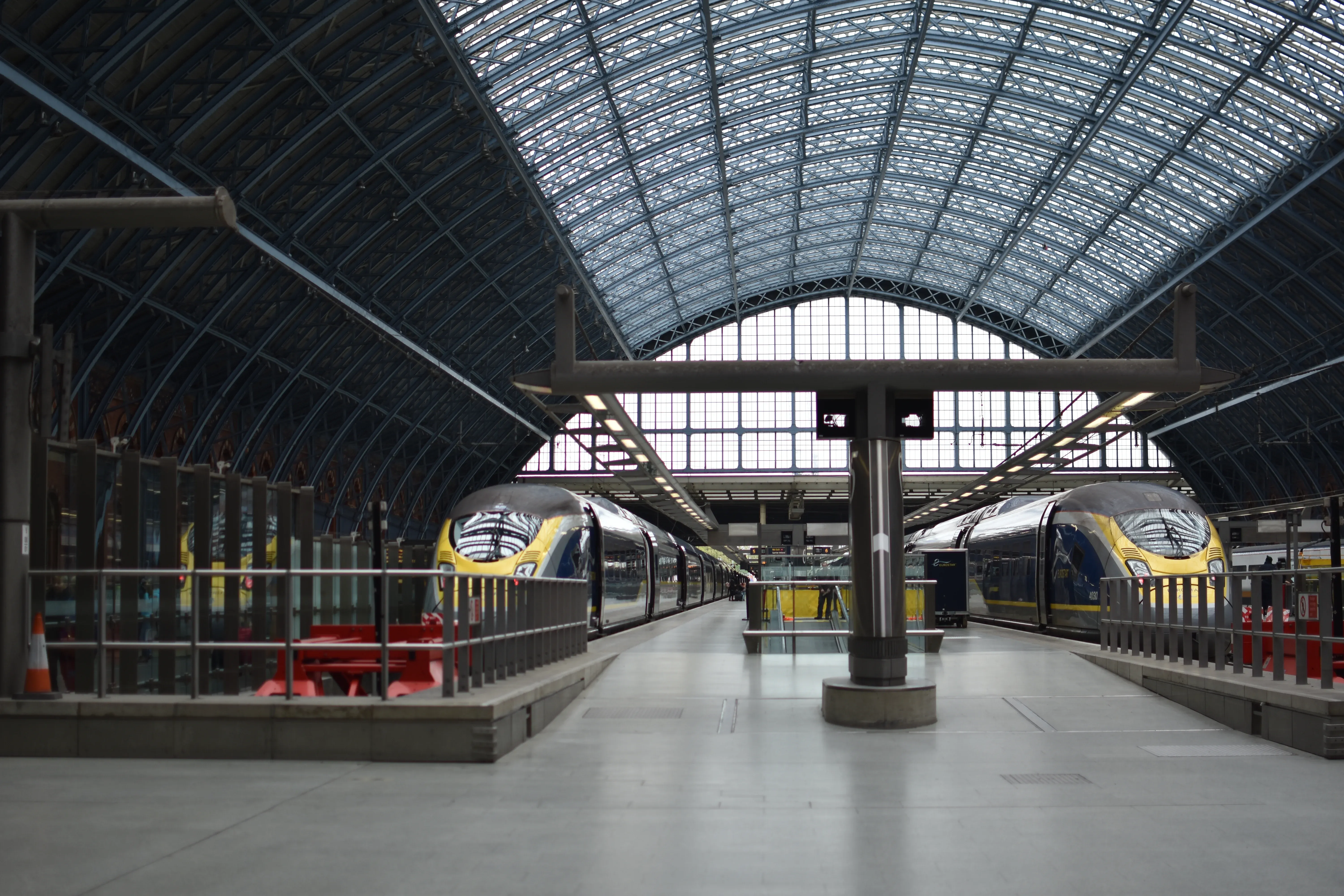
The frustration you see on social media and travel forums comes almost entirely from three countries: France, Spain, and Italy (plus Eurostar). National operators in these countries have abandoned the open-transit model of European rail in favor of an airline-style operational setup. Instead of functioning like high-speed subways, these systems pollute the train travel experience with the friction of airport terminals:
- Boarding Gates and Barcodes: At Paris Montparnasse, Paris Gare de Lyon, and Milano Centrale, glass barcode turnstiles (portiques d’embarquement) block access to the platforms. Gates can even close before departure in France, Spain, and Italy. If you are making a tight connection, you cannot simply jog across the platform.
- Station Security Scanners: In Spain, Renfe subjects long-distance passengers to airport-style security. You must pass your bags through an X-ray scanner and present your ticket at a check-in checkpoint before you are permitted onto the platform at Madrid Atocha or Barcelona Sants.
- Artificial Passholder Quotas: The worst practice of all. Certain operators cap the number of seats available to passholders on any given train. A train might show as “sold out” on your rail pass app even though standard retail tickets are still sitting half-empty on the operator’s website.
Here is how the trouble operators break down:
- France (SNCF - TGV InOui): The worst offender. High-speed TGV trains require mandatory seat reservations. Domestic fees are tiered at €10 (a limited advance quota) or €20 (standard fee once the cheap quota sells out). On popular routes in peak summer, passholder quotas sell out weeks in advance. International TGVs are even worse: the direct TGV between Paris and Barcelona charges a €37 passholder fee. Meanwhile, SNCF’s low-cost Ouigo trains refuse Interrail passes entirely.
- Spain (Renfe - AVE & Alvia): A close second to France. Mandatory fees run €10 to €13 for AVE high-speed trains. Worse than the fee is the booking friction: Renfe’s computer systems make booking passholder seats online frustratingly complex. While some high-speed routes can now be booked digitally, many travelers are still forced to stand in long lines at station ticket windows (taquillas) in Spain to secure their seats.
- Italy (Trenitalia - Frecciarossa): Not great, but manageable. You’re going to constantly run into reservation fees, but at least they’re much less hassle to make than SNCF or Renfe. Frecciarossa trains charge a flat €13 mandatory reservation fee per leg. However, Trenitalia has one major saving grace compared to France: they do not enforce passholder quotas. If there is an open seat on a Frecciarossa train, passholders can reserve it, even 30 minutes before departure. (Note: Private Italo high-speed trains do not accept the Interrail pass).
- Eurostar (Channel & Continental): They have a monopoly on the Chunnel; if you’re crossing by train, you have no choice. Operating between London and Paris/Brussels/Amsterdam, Eurostar combines airline-style passport control with steep fees. Standard class seat reservations run €30 to €38 per leg (€43 for Standard Premier). Book early if you want a seat on the popular departure times. Summer passholder quotas are notoriously tight.
To see how every country in Europe stacks up on reservation friction, check out our Interrail Global Pass Map. We color-code each country by rail friendliness.
European Train Reservation Cheat Sheet
This reference table breaks down Europe’s most traveled rail networks. It separates the trouble countries where reservations are mandatory from the open networks where they are optional or non-existent.
Core European Routes & Operators
| Country | Operator | Reservations | Typical Fee | Booking Hint | Alternative Trains |
|---|---|---|---|---|---|
| France | SNCF (TGV InOui, Intercités) | Yes | Domestic: €10 or €20Int'l: €27–€37 | Rail Europe, SNCF phone line, or Interrail portalSeat61 guide → | TER regional trains (reservation-free) |
| Spain | Renfe (AVE, Alvia) & Iryo | Yes | AVE: €10–€13Alvia/Iryo: €6.50–€10 | Rail Europe, station taquillas, or Interrail portalSeat61 guide → | Rodalies & Regionales |
| Italy | Trenitalia (Frecciarossa, Frecciargento) | Yes | High-Speed: €13Intercity: €3 | oebb.at with pass discount, or station kiosksSeat61 guide → | Regionale Veloce (RV) trains |
| Cross-Border | Eurostar (Channel & Continental) | Yes | Standard: €30–€38Standard Premier: €43 | Official Eurostar siteSeat61 guide → | Eurocity Direct (Brussels–Amsterdam); TER + IC (Paris–Brussels) |
| Germany | Deutsche Bahn (ICE, IC, EC) | Optional | 2nd Class: €5.201st Class: €6.50 | Moderate value on busy routes. Use bahn.de "Seat only"Seat61 guide → | Regional-Express (RE) & Regionalbahn (RB) |
| Austria | ÖBB (Railjet, IC, EC) | Optional | €3 | Some value on tourist lines. Use oebb.at or cd.czSeat61 guide → | REX regional trains |
| Switzerland | SBB (IC, IR, Giruno) | Optional | €5 | Lowest value—rarely worth buyingSeat61 guide → | Regional trains run on identical tracks |
| Netherlands & Belgium | NS & SNCB (Intercity) | Can't | €0 | Walk on; reservations don't existSeat61 guide → | Eurocity Direct & domestic IC |
Surviving the Trouble Countries
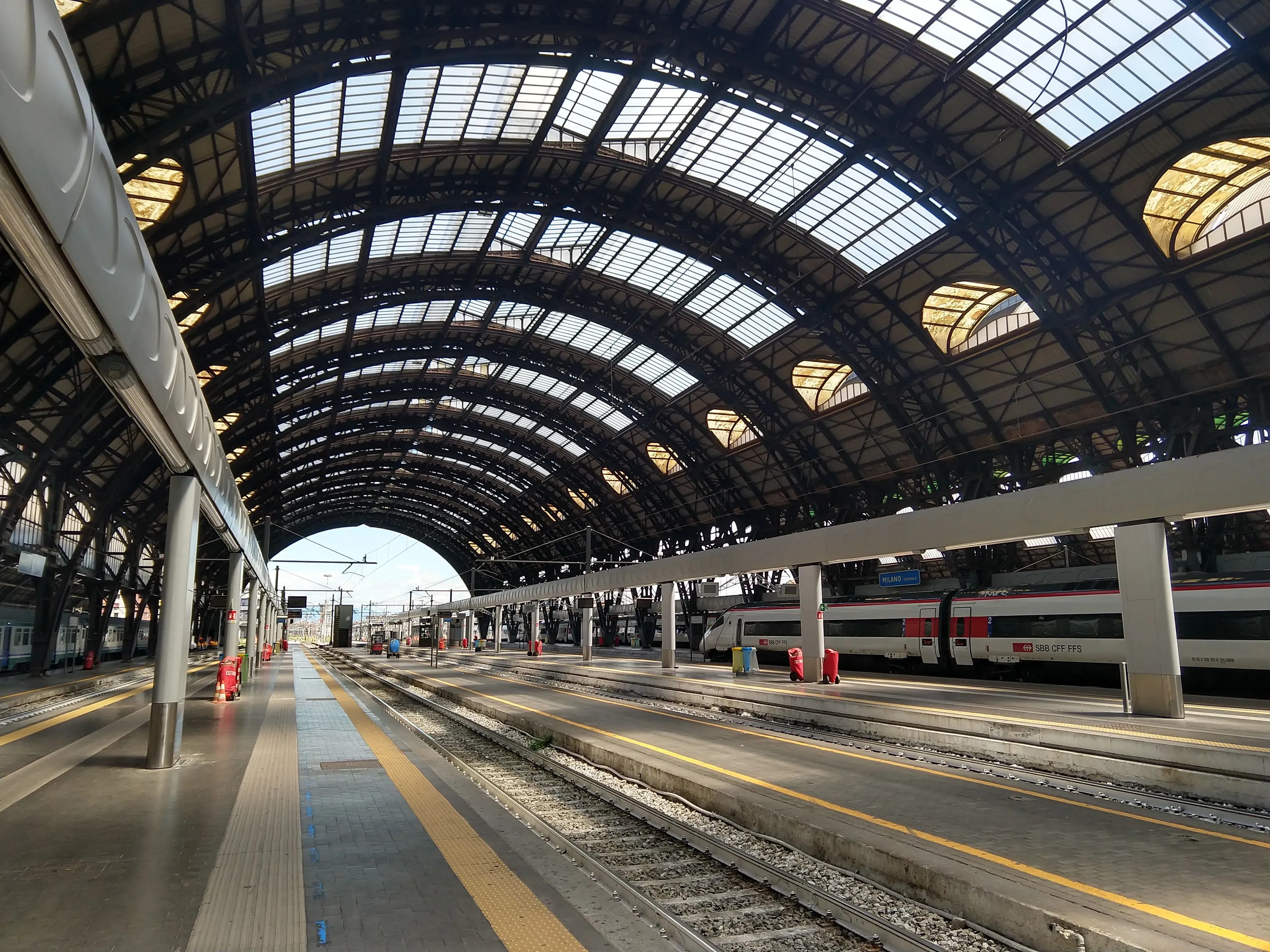
When your itinerary takes you through France, Spain, Italy, or across the Channel on Eurostar, you have to play by their rules. That does not mean you should throw your hands up in defeat; it means understanding how to secure seats without unnecessary stress or fees.
The Interrail App Convenience Fee
The official Interrail Rail Planner app allows you to book seat reservations across multiple rail operators directly from your phone. However, Interrail charges an extra €2 fee per seat, per train for this service.
Look at that fee for what it is: a convenience fee. If you are juggling trains in three foreign countries and you want the ease of booking everything in one cart without navigating foreign-language carrier sites, paying an extra €4 to €8 across an entire trip is completely reasonable. Many travelers happily pay it for the simplicity. However, if you are traveling on a tight budget, if you want to select exact seats from a visual carriage layout, or if the Interrail app displays a technical error, you should book directly with the national operators instead.
Smart Booking Tactics by Operator
For step-by-step clicking instructions on every carrier, the definitive source is The Man in Seat 61. Mark Smith keeps track of the ever-shifting booking engines so you don’t have to guess. If you need a refresher on the baseline mechanics of passes versus seat reservations, see our Interrail pass reservations guide. Here is the operational overview:
- Italy (Trenitalia): Skip the third-party fees by booking directly through the Austrian Railways website (
oebb.at). The trick: do not click “Seat reservation only.” Instead, click “Who is going?”, select “Add discount”, and choose “Interrail / Eurail - Globalpass”. Then search for your train under “One-way tickets”. It will display the €13 reservation fee, let you pick seats from an interactive map, and issue a direct PDF ticket with zero booking fees. Alternatively, you can book at any Trenitalia self-service ticket machine in Italian stations at face value. - France (SNCF): Book through Rail Europe, which handles electronic passholder reservations cleanly, or call SNCF’s English-speaking customer service line (+33 1 84 94 36 35, select #85 for English). They can book passholder seats over the phone and email your ticket with no booking fee.
- Eurostar: Book directly through the official Eurostar website (eurostar.com) under passholder bookings.
- Spain (Renfe & Iryo): High-speed AVE, Alvia, and newly participating Iryo trains can be booked online via Rail Europe or the official Interrail portal. For regional Media Distancia services that cannot be booked online, head to a station ticket counter (taquilla) upon arrival in Spain to book your upcoming legs all at once.
Planning Lead Times
Timing depends heavily on passholder quotas. Eurostar and French TGVs should be booked 4 to 8 weeks in advance if you are traveling during peak summer (July and August) or over major holidays. If you wait until the last minute, passholder seats will be gone.
In Italy, because Trenitalia does not use passholder quotas, you can often book a Frecciarossa 24 to 48 hours ahead, or even the morning of your trip. Spain sits in the middle: popular AVE routes between Madrid, Barcelona, and Seville can fill up several days in advance, so lock those in early during summer.
Dodging Fees on Regional Trains
If high-speed reservations are sold out or you refuse to pay €20 to €35 extra on principle, regional trains are your safety valve. Traveling on regional trains takes longer, but it is not completely awful. In fact, it often gives you a much better look at the countryside while delivering complete schedule freedom.
Regional trains (TER in France, Regionale Veloce in Italy, Rodalies in Spain, and Regional-Express in Germany) never require seat reservations. They cannot sell out. If you miss one, you simply walk onto the next one an hour later.
Here are three tested regional bypasses that cut through the worst reservation bottlenecks:
1. Paris to Brussels (Bypassing Eurostar’s €30+ Fee)
Eurostar charges €30 or more to take the former Thalys high-speed train between Paris and Brussels. Instead, take a French TER regional train from Paris Gare du Nord toward the Belgian border (connecting through Maubeuge or Lille). At the border, switch to a Belgian SNCB Intercity train straight into Brussels Central.
- The Trade-off: The direct Eurostar takes 1 hour and 22 minutes. The regional route takes roughly 3 hours. You trade about an hour and a half of travel time to save €30 per person and avoid sold-out quotas.
2. France to Spain via the Mediterranean Coast (Bypassing the €37 TGV Fee)
The direct TGV from Paris or Lyon to Barcelona hits passholders with a €37 reservation fee and sells out weeks in advance. The regional alternative runs along the Mediterranean coast through the historic border crossing at Cerbère (France) and Portbou (Spain). Take a domestic French TER train to Cerbère, hop across the border to Portbou, and board a Catalan Rodalies (R11) train down the coast directly into Barcelona Sants.
- The Trade-off: Total reservation cost is €0. You get stunning views of the Mediterranean coastline and the Pyrenees mountains instead of staring at concrete sound walls from a high-speed tunnel.
3. Inside Italy on Regionale Veloce Trains
Italy’s high-speed line between Milan, Bologna, Florence, Rome, and Venice is served by €13 Frecciarossas. But running on the exact same corridors are Trenitalia’s Regionale Veloce (Fast Regional) trains. They are clean, fully air-conditioned, run multiple times per hour, and require zero seat reservations.
- The Trade-off: Between Milan and Venice, a Frecciarossa takes 2 hours and 28 minutes. A Regionale Veloce takes roughly 3 hours and 15 minutes. Spending an extra 45 minutes on a train to keep your schedule open and avoid fees is a very fair trade.
Is an Interrail Pass Worth It?
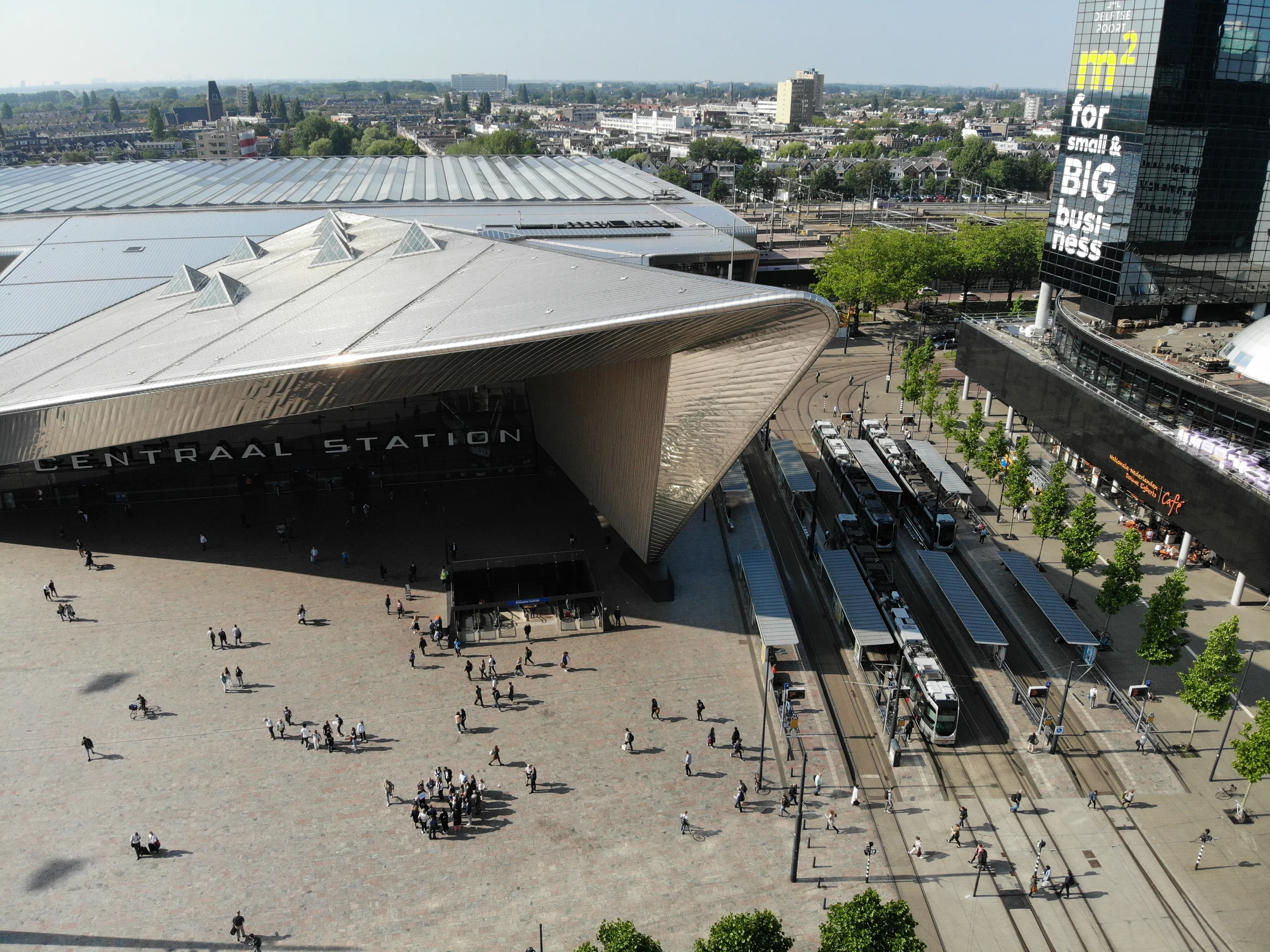
Whether an Interrail pass is worth it comes down to geography and travel style. If you understand where the “airline model” ends and where open rail transit begins, you can easily decide if a pass makes sense for your trip.
When to Skip the Pass
If your entire vacation consists of 2 or 3 point-to-point high-speed hops exclusively inside France or Spain (e.g., Paris to Nice and back, or Madrid to Barcelona to Seville), do not buy an Interrail pass. You will pay the upfront pass cost only to get hit with mandatory reservation fees, quota lockouts, and station ticket lines. In that scenario, buy advance fixed tickets directly from SNCF Connect or Renfe 2 to 3 months ahead. You will spend less money and deal with fewer headaches.
When the Pass Wins
The Interrail pass dominates in three common travel scenarios:
- Multi-Country Journeys: The moment your route crosses international borders or enters Central, Northern, or Eastern Europe, the pass pays for itself.
- Open-Network Travel: If your travels take you through Germany, Austria, Switzerland, Belgium, the Netherlands, Czechia, or Great Britain, the pass provides absolute walk-on freedom.
- Spontaneous and Agile Travel: When plans change due to weather, a delay, or a local recommendation, fixed point-to-point tickets become a liability. Missing a non-refundable train ticket in Europe means paying a walk-up fare of €100 to €200 for a replacement. With an Interrail pass, a missed connection costs you nothing; you simply walk onto the next train.