
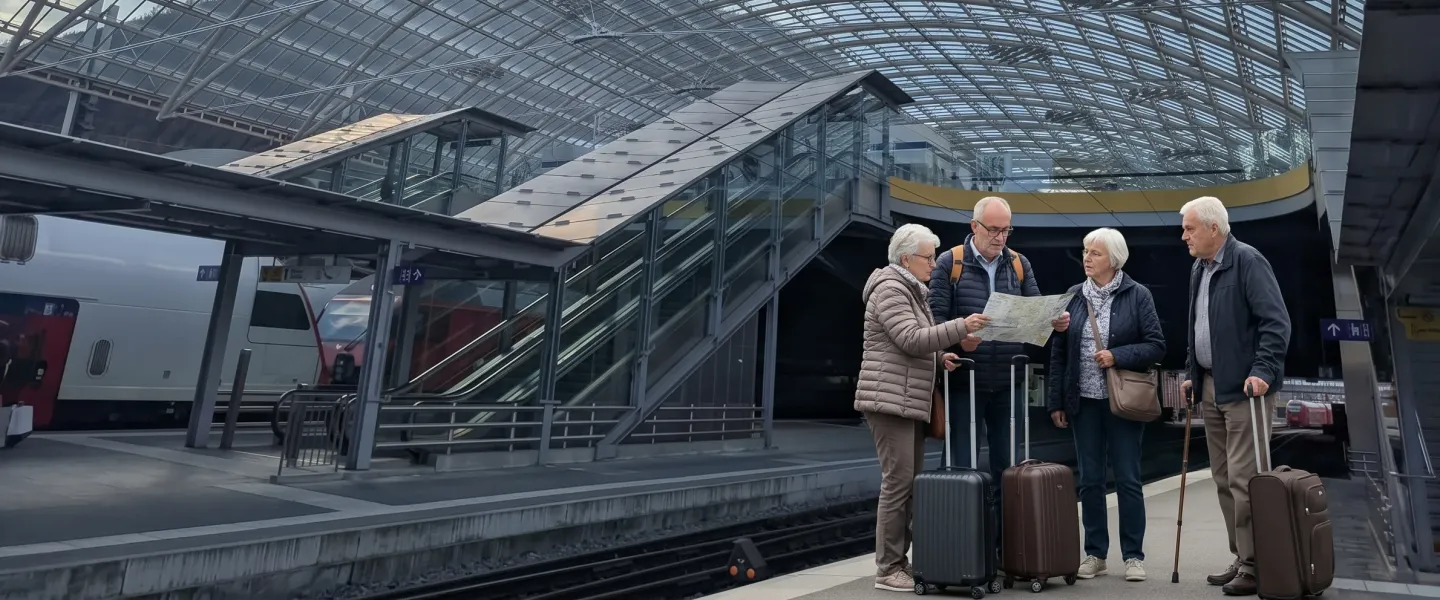
If you’re 60 or older, you get 10% off any Interrail Pass. It’s the same pass everyone else buys, Global or One Country, 1st/2nd class, you just get it at the senior rate. There’s no separate “senior pass” product. You pick the senior option at checkout and pay a tenth less.
Our advice: on a multi-country trip, buy the Interrail Pass and put that 10% discount toward a 1st class upgrade for yourself. If you’re only touring Spain or France, skip Interrail and buy that country’s cheap senior railcard instead.
The Short Version
- Age: 60 or over. The exact timing rule is below.
- Discount: 10% off the adult price, on Global and One Country Passes, Flexi and Continuous, 1st and 2nd class.
- Reservations: seat reservation fees are the same at every age. There’s no senior rate on those.
- Nationality: doesn’t matter. Since September 2026 there’s one Interrail Pass (formerly Eurail) for everyone worldwide. Here’s what happened if you want the backstory.
How the Age Rule Actually Works
You give Interrail your date of birth when you order, and that’s where the age check happens. Interrail’s rule is that you must be 60 on the first day of the pass’s validity period, not on the day you buy. So you can buy at 59, as long as you’ll be 60 when the pass starts. Interrail’s shop allows this up to 11 months ahead, but a mobile pass bought that way won’t activate until you’ve turned 60.
On the train, nobody is checking your age. An inspector scans your pass, which shows your name and journey. They rarely ask to see your passport to confirm the pass is yours, and if they do, that’s just an identity check, the same one any passholder might get. The pass does say Senior, but conductors almost always just scan it and move on. Officially, using a pass from the wrong age category counts as traveling without a valid ticket, but that’s a question you settle at checkout, not on board.
What You Actually Pay
The senior price is the adult price minus 10%. There’s no separate fare table to study: take whatever the adult pass costs on the day you buy and knock off a tenth. Interrail adjusts prices and runs sales, so we won’t print euro figures that could be stale next month. Check the current numbers on the Interrail Global Pass page.
A 10% cut is modest. Youth travelers get a bigger break. On its own it won’t make a pass worthwhile if the trip doesn’t suit a pass in the first place, so compare against point-to-point tickets first. Our pass vs. individual tickets guide explains how.
With the 10% off, a 7-day 1st class Global Pass costs only around €65 more than an adult 2nd class pass. That’s an approximate figure, and it moves with sales and pass length, but it’s the reason we think most travelers over 60 should look hard at 1st class.
Why 1st Class Is Worth It
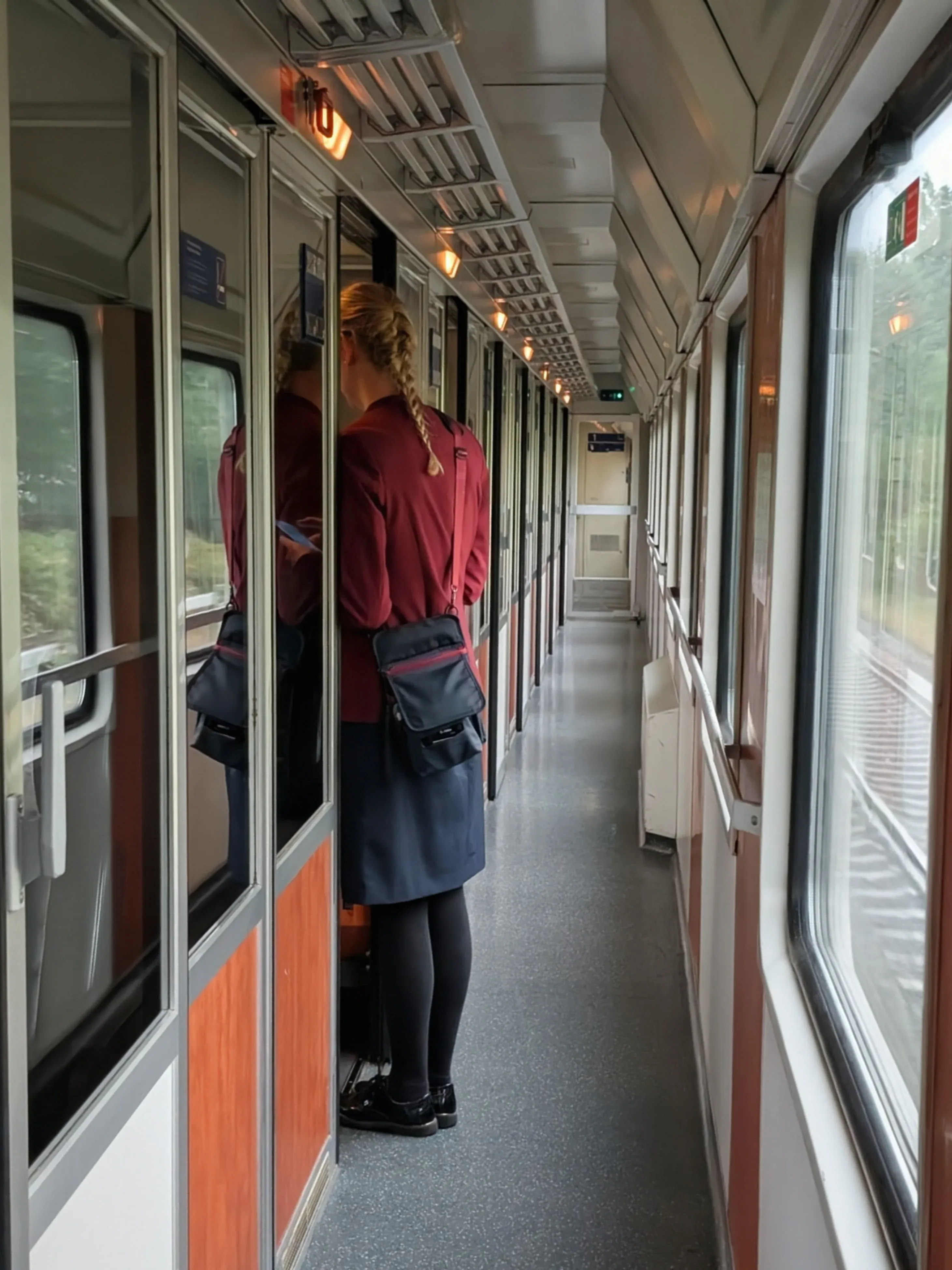
1st class is worth it, and the senior discount makes it easier to justify. The seats are the obvious difference. Long-distance 1st class cars use a 1+2 layout, one seat on one side of the aisle and two on the other, so every seat is wider and you get more legroom. Travel solo and you can take a single seat with nobody beside you.
Luggage space is the less obvious one. There’s more of it per passenger in 1st class for two simple reasons: fewer people buy 1st class, and a 1st class car has fewer seats than a 2nd class car even when every seat is taken. In a busy 2nd class car on a summer Friday, the racks fill up fast and late boarders end up holding their bags in the vestibule.
Outside rush hours, 1st class cars often have plenty of empty seats. On walk-on trains like a German ICE, that means finding a seat without a reservation is rarely a problem. It’s also quieter, with fewer tour groups and school trips, which you’ll appreciate around hour five of a long travel day.
2nd class on European trains is perfectly good, and plenty of people over 60 ride it happily. But at roughly €9 extra per travel day on a 7-day pass, 1st class is cheap comfort. Check both classes on the Global Pass page before you decide, and see Is First Class Worth It? for the full comparison.
When a National Senior Railcard Beats Interrail
If your whole trip stays inside one country with good senior fares, a national railcard usually beats the pass. Spain and France are the clearest cases.
| Country & Card | Annual Cost | What It Gives You | Verdict |
|---|---|---|---|
| Spain: Renfe Tarjeta Dorada | €6 | 25% to 40% off Renfe trains (AVE, Alvia, Avant, Cercanías). Any nationality, 60+. | Skip Interrail for Spain-only trips. |
| France: SNCF Carte Avantage Senior | €49 | 30% off TGV INOUI and Intercités with capped fares; 25% to 50% off regional TER. | Better than Interrail for a few fixed French trips. |
| Italy: Trenitalia CartaFRECCIA & X-GO | Free | 60+ members get FrecciaSENIOR fixed fares on Frecciarossa when booked 11+ days ahead, and up to 50% off Intercity via X-GO. | On fixed dates, advance senior fares often beat a pass plus €13 reservations. |
| Great Britain: Senior Railcard | £35 | 1/3 off most fares. | Strong for UK-only travel. Compare against off-peak tickets. |
| Switzerland | None | No senior discounts for tourists. | Interrail or the Swiss Travel Pass wins. |
Spain: the €6 Tarjeta Dorada
The Tarjeta Dorada costs €6 for a year and takes 25% to 40% off Renfe fares. Anyone 60 or over can get one, whatever their nationality. You buy it at a ticket window (taquilla) in a Spanish station with your passport.
Pair it with point-to-point tickets and it beats the Interrail Pass for a Spain-only trip. It also spares you Renfe’s passholder reservation process, which still sends a lot of travelers to station ticket lines to book seats. With the card, you’re just buying a discounted ticket like everyone else.
France: the €49 Carte Avantage Senior
The Carte Avantage Senior costs €49 a year and gives 30% off TGV INOUI and Intercités trains with capped maximum fares, plus 25% to 50% off regional TER trains.
It also avoids two passholder problems. French TGVs cap how many seats they sell to passholders, and those quotas sell out in busy periods. Passholders also pay €10 to €20 per TGV reservation. A regular ticket bought with the card isn’t subject to the quota, so you can book any seat SNCF has for sale. For more on reservation-heavy countries, read Do Reservations Ruin the Interrail Pass?
Switzerland goes the other way
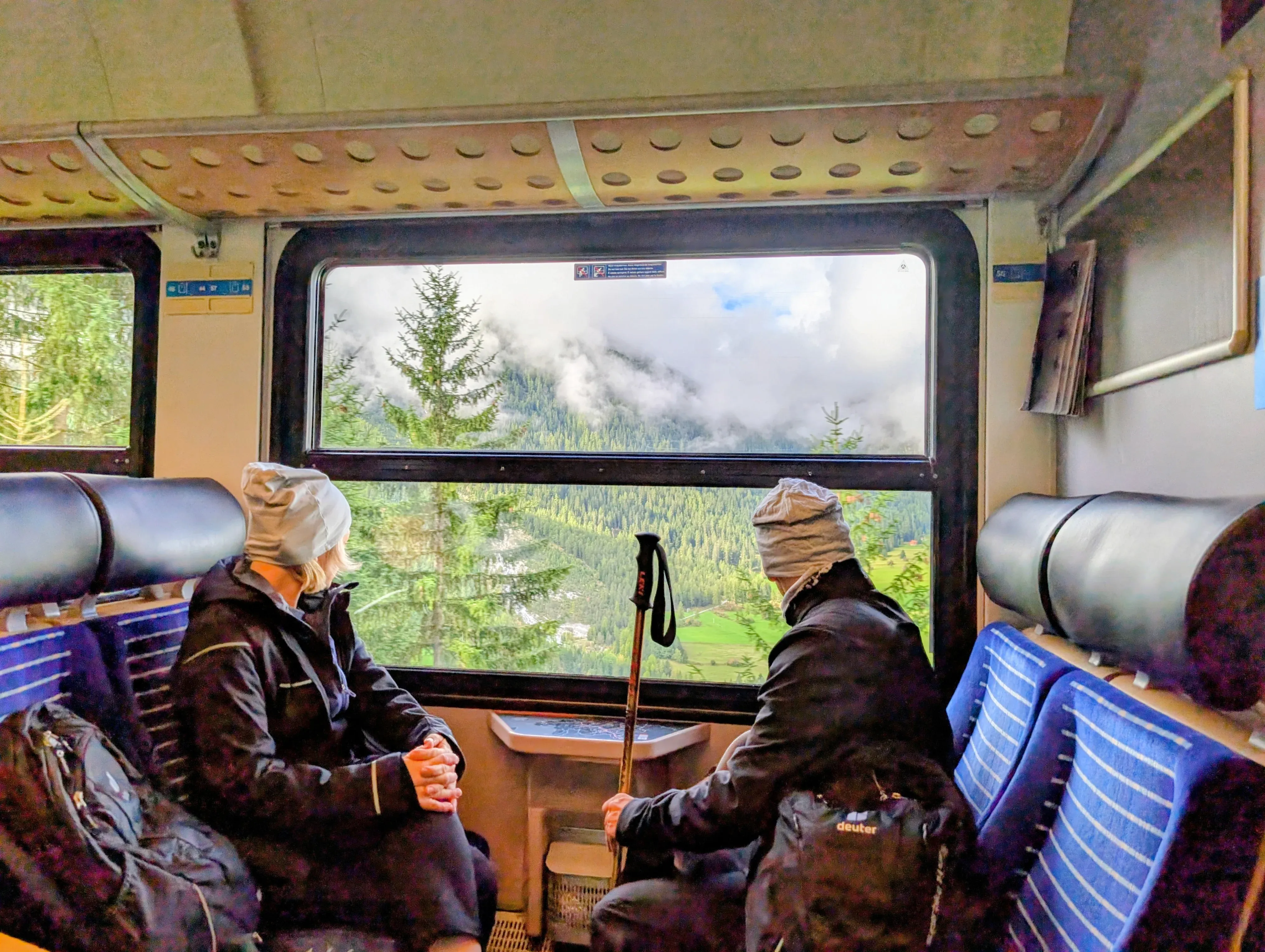
Switzerland offers no senior discounts to tourists. The Swiss Travel Pass and Half Fare Card cost the same for every adult, and Swiss fares are high. That’s where a rail pass earns its keep, and the 10% off an Interrail Pass is a discount you won’t get anywhere else in the country.
If Switzerland is a big part of your trip, an Interrail Global Pass or a Swiss Travel Pass will beat buying tickets as you go. The Interrail pass covers most Swiss railways, and the mountain lines it doesn’t fully cover usually give passholders a discount.
More broadly, the pass is the better buy when you cross borders, spend time in walk-on networks like Germany and Austria, or want to change plans without losing money on non-refundable tickets. If you’re focused on one country outside Spain and France, compare a One Country Pass, which also takes the 10% senior discount.
Other Ways to Save

Pick the right pass length. If you like to stay a few nights in each place, a Flexi pass usually beats a Continuous one. You pay for travel days, not calendar days, so a 7-day Flexi pass spread over a month suits a slow trip. And if one leg is a short, cheap regional hop, buying that ticket separately can save a whole pass day for a long international run.
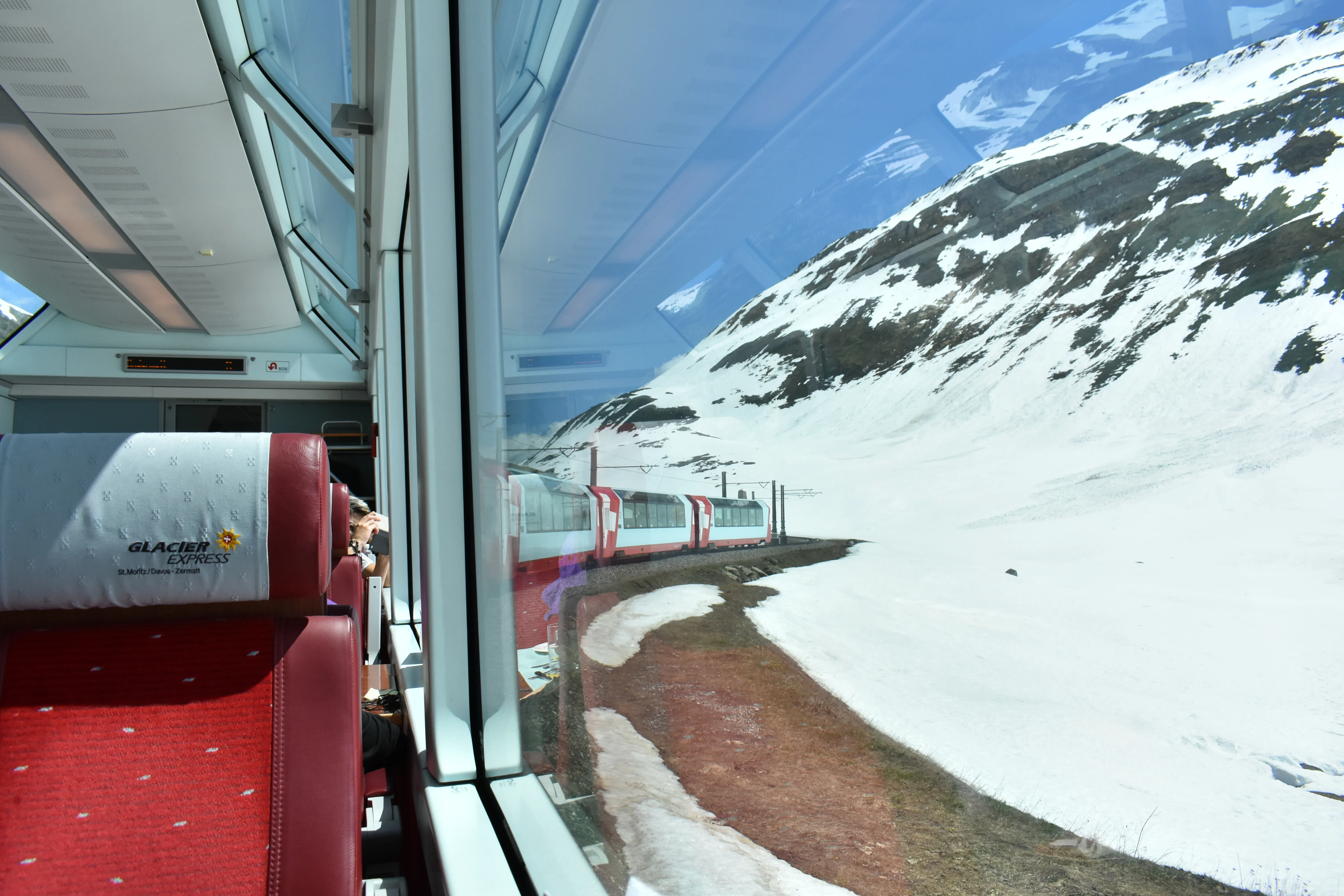
Some of Europe’s priciest tickets are scenic tourist trains, and the pass covers a lot of them. On the Glacier Express, passholders pay the reservation fee instead of the full fare. Lines the pass doesn’t fully cover usually give passholders a cut, such as 30% off the Flåm Railway in Norway and 25% off Jungfraubahn.
If your schedule is your own, travel when other people don’t: avoid Friday and Sunday afternoons and the peak of July and August. Trains are emptier and passholder quotas on the TGV and Eurostar are much easier to get.
Hotels a few stops outside the city center cost noticeably less, and with a pass the train into town costs nothing extra. Spend the day in Venice and sleep in Mestre on the mainland.
The passholder perks are worth checking before you book anything else. Ferry operators including Fjord Line, Grimaldi Lines, and Stena Line discount fares for passholders, as do Europe’s Famous Hostels and the city cards in Rome, Barcelona, Frankfurt, and Salzburg. The full list is on the Interrail benefits portal. A 1st class pass also gets you into operator lounges at a number of big stations. That means a real chair and somewhere quiet to wait when the concourse benches are full.
You can also mix tools. A pass for the multi-country part of the trip plus a €6 Tarjeta Dorada for a week in Spain is a sensible plan. So is a pass for Central Europe and a few French trips on the Carte Avantage Senior.
Book reservations directly when you can. The Rail Planner app adds €2 per seat, per train for booking reservations. That’s fine for convenience, but booking directly with the operator avoids it, and our reservations guide has the step-by-step for each one.
Paper Pass or Mobile Pass
You can still buy a paper Interrail Pass, and it works on every train the mobile version does. If you’d rather not run your trip from a phone app, it’s a good choice. Nothing needs charging or updating, and you can’t get stuck on a platform with a frozen screen. You fill in each travel day on the pass by hand before you board and show it to the conductor.
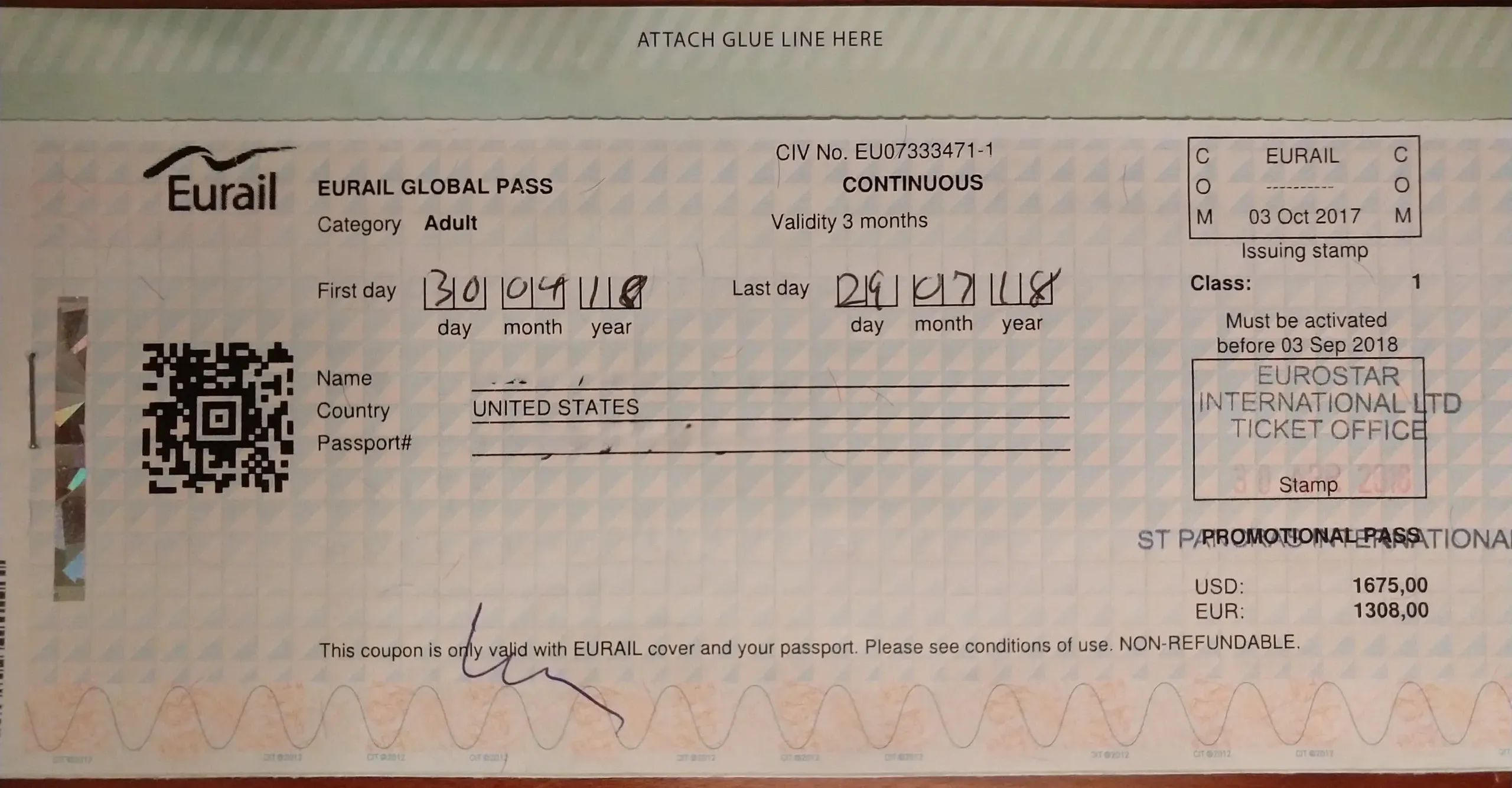
The trade-offs are small. You pay for shipping and wait for it to arrive in the mail, so allow a few weeks before you leave. It has to be validated at a staffed station before first use (or when you buy it, which we don’t recommend because that fixes your start date). Look after it like cash: Interrail won’t replace a paper pass that’s lost, stolen, or damaged.
The mobile pass lives in the Rail Planner app. It’s delivered instantly, and you can start it any time within 11 months of buying. It needs two habits. First, under Interrail’s current conditions, the app has to be opened while online at least once every 24 hours to keep the pass valid. Hotel Wi-Fi each evening covers it. Second, you add each journey to the pass. The rules say to do it before you board, so do it on the platform if you can. If you’re rushing for the train, it’s fine to sit down first and add the trip before the conductor gets to you. Fines are for people trying to ride without a valid ticket, not passholders who are a minute behind.
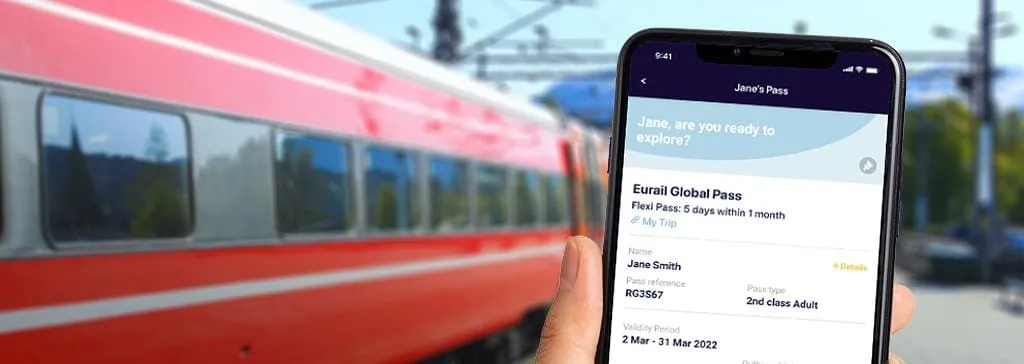
If you go with the mobile pass, install Rail Planner and add your pass to the app before you leave, so you’re not doing it on station Wi-Fi. Don’t activate it until you’re sure of your dates. Activating sets the pass’s start date, and you can only undo it before that date arrives.
With either version, carry your passport or ID card on travel days. The pass is only valid alongside it, and inspectors sometimes ask to see it.
Stations, Stairs, and Free Assistance
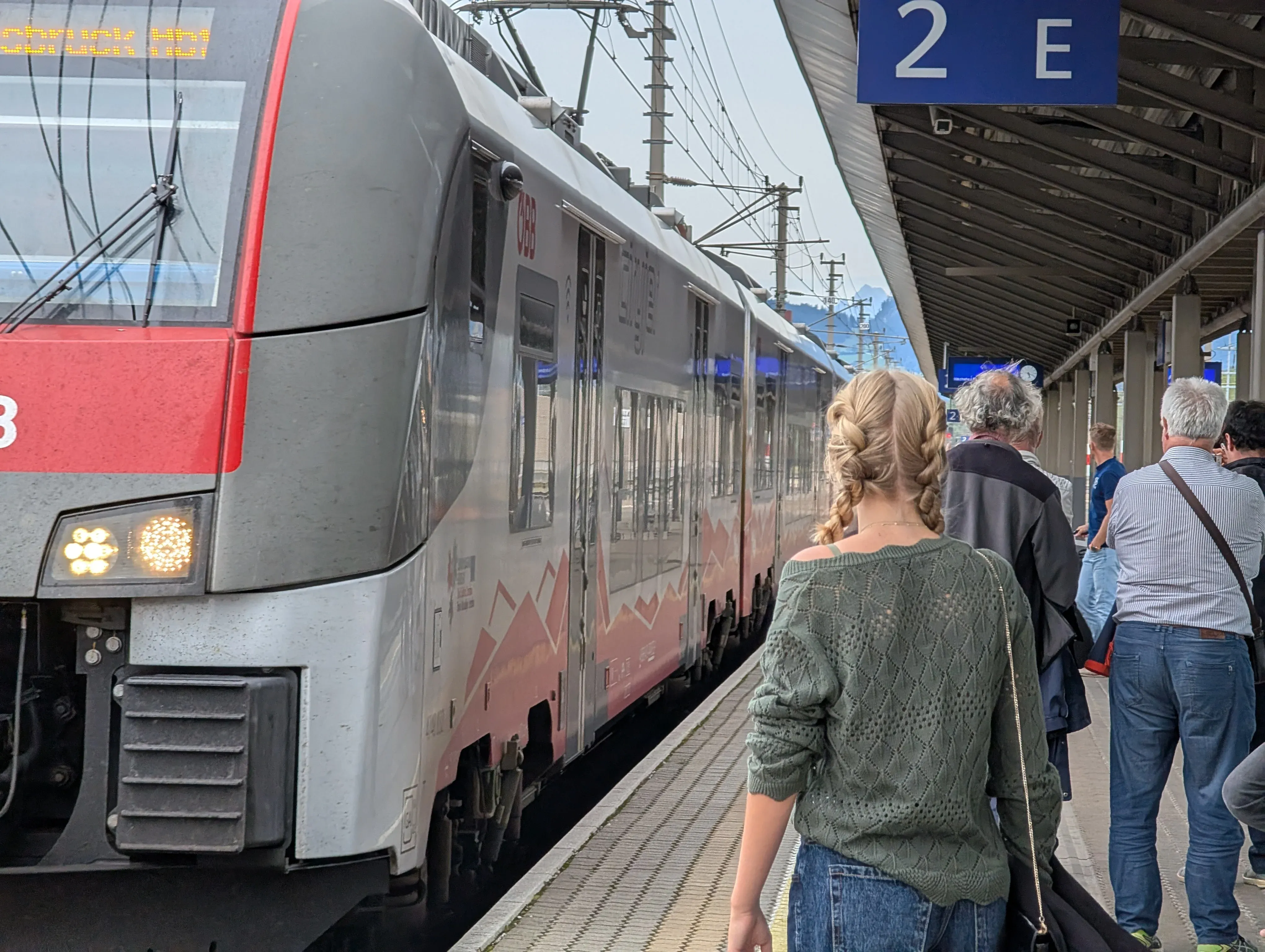
Most of the physical effort of European rail travel happens inside stations. Terminus stations like Munich Hauptbahnhof, Frankfurt Hbf, and Roma Termini are huge, and walking from the main concourse to the far end of a high-numbered platform can take around 8 minutes and cover 300 meters or more. Journey planners will happily offer you a 5-minute connection between distant platforms. Don’t take it. Leave real slack between trains, and more if you have a heavy bag.
Many older stations in Italy, Belgium, and rural Germany put platforms on the far side of the tracks. You walk down a flight of stairs into an underpass, along under the tracks, and up another flight to the platform. Lifts at smaller stations are unreliable. Assume you’ll carry your bag up and down stairs at some point, and pack accordingly. Trains don’t enforce luggage limits, which tempts people into a 30 kg suitcase. By the third day of underpasses, most of them regret it.
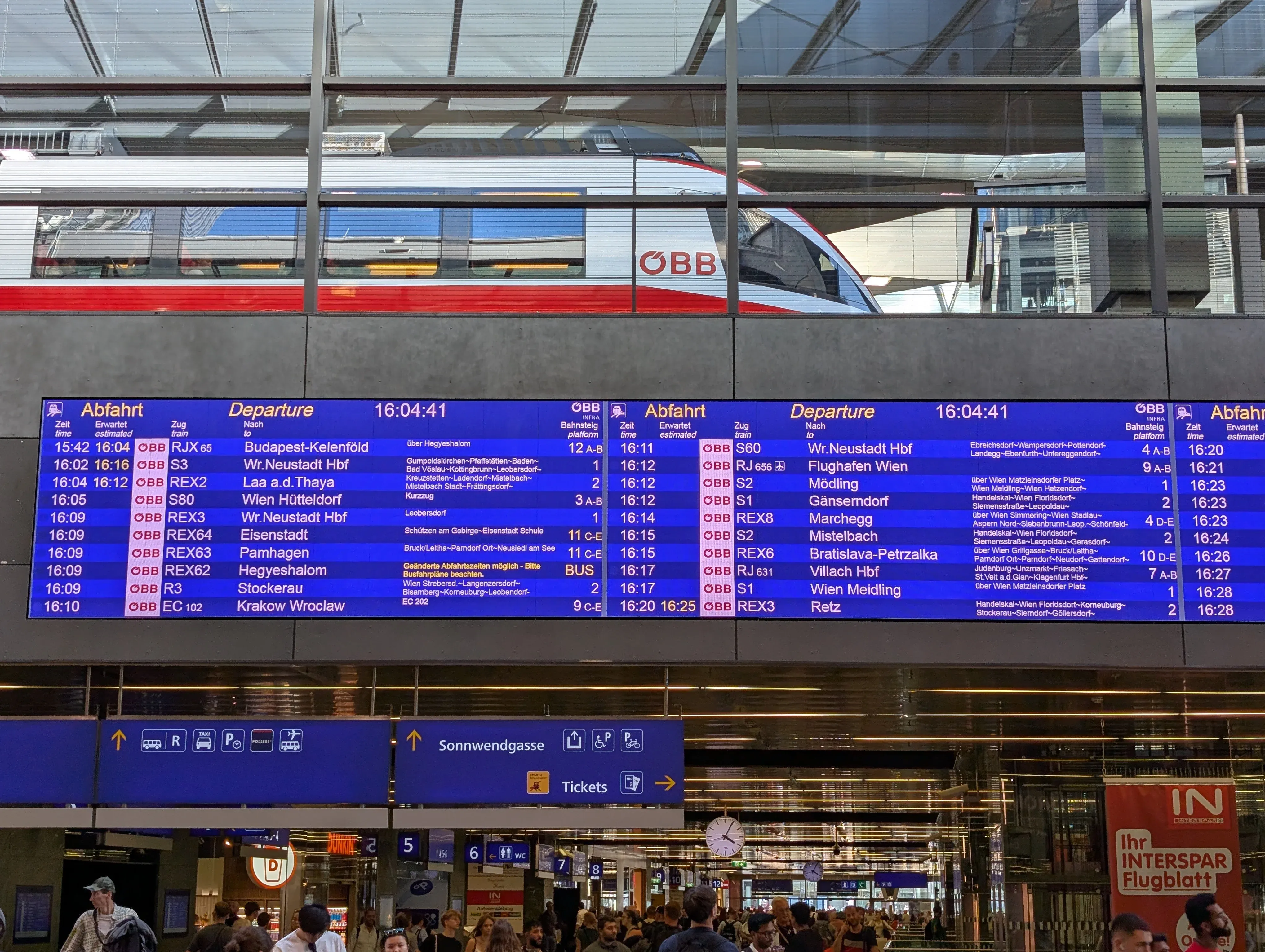
If you’d like help, every major national operator offers it for free: an escort through the station, a wheelchair or lift, a cart at some big stations, and help getting your bag to your seat. Book it 24 to 48 hours ahead (in Britain, Passenger Assist takes bookings up to 2 hours before), online or by phone, so staff and equipment are ready when you arrive. If you end up needing help without a booking, ask station staff anyway. They’ll help if they can, but a booking is what guarantees it. Ask for help at both ends of the trip, getting on and getting off.
| Country | Service | Book |
|---|---|---|
| Germany | DB Mobility Service Centre (Mobilitätsservice-Zentrale) | 24 to 48 hours ahead |
| France | SNCF Assist’enGare | 24 to 48 hours ahead |
| Great Britain | Passenger Assist | Up to 2 hours ahead |
| Italy | RFI Sala Blu | 24 to 48 hours ahead |
Our Recommendation by Trip
- Multi-country trip with flexible plans: buy an Interrail Global Pass at the senior rate, in 1st class.
- Germany, Austria, and Switzerland: buy the pass. The trains are mostly walk-on, and Switzerland offers tourists no senior discounts.
- Spain only: skip the pass. Get the €6 Tarjeta Dorada at a station window and buy tickets.
- France only, a few fixed trips: skip the pass. Get the €49 Carte Avantage Senior and book regular tickets.
- Italy only, fixed dates: price advance senior fares first. They often beat a pass plus €13 reservations.
- Great Britain only: compare the Senior Railcard against off-peak tickets and BritRail.
- Slow trip, a few nights in each place: a Flexi pass with fewer travel days than you think you need.
- Heavy luggage or limited mobility: 1st class, a lighter bag than you planned, and station assistance booked 24 to 48 hours ahead.
Whether a pass pays off depends on how far you travel, which countries you’re in, and how much flexibility you want. Price your actual route both ways before committing. When the pass makes sense, check current Interrail Global Pass prices here.
FAQ
Is there a senior discount on the Interrail Pass (formerly Eurail)?
Yes. Travelers 60 and over get 10% off the adult price of any Interrail Pass. Note: there’s no separate senior pass product; you just get a discount on the regular pass during checkout.
What is the age limit for the Interrail senior discount?
60 and over, with no upper limit. You must be 60 on the first day your pass is valid, not on the day you buy it, so you can order at 59 if you’ll be 60 when the pass starts. A mobile pass bought that way won’t activate before your 60th birthday.
How much is the Interrail Pass for seniors?
The adult price minus 10%. Interrail changes prices and runs sales, so check the current adult fare and take off a tenth. With the discount, a 7-day 1st class Global Pass costs only around €65 more than an adult 2nd class pass.
Is the Interrail Pass worth it for seniors?
For multi-country trips, flexible plans, and time in Switzerland, Germany, or Austria, usually yes. For a trip that stays inside Spain or France, usually no: Spain’s €6 Tarjeta Dorada or France’s €49 Carte Avantage Senior with regular tickets costs less.
Do over 60s get discounts on trains in Europe?
In many countries, yes, through national senior cards. Spain’s Renfe Tarjeta Dorada (€6 a year) takes 25% to 40% off, France’s Carte Avantage Senior (€49) takes 30% off TGV and Intercités, Italy’s free CartaFRECCIA and X-GO unlock senior fares, and Britain’s Senior Railcard (£35) takes a third off. Switzerland has no senior discount for tourists.
Is there a senior discount on Eurostar?
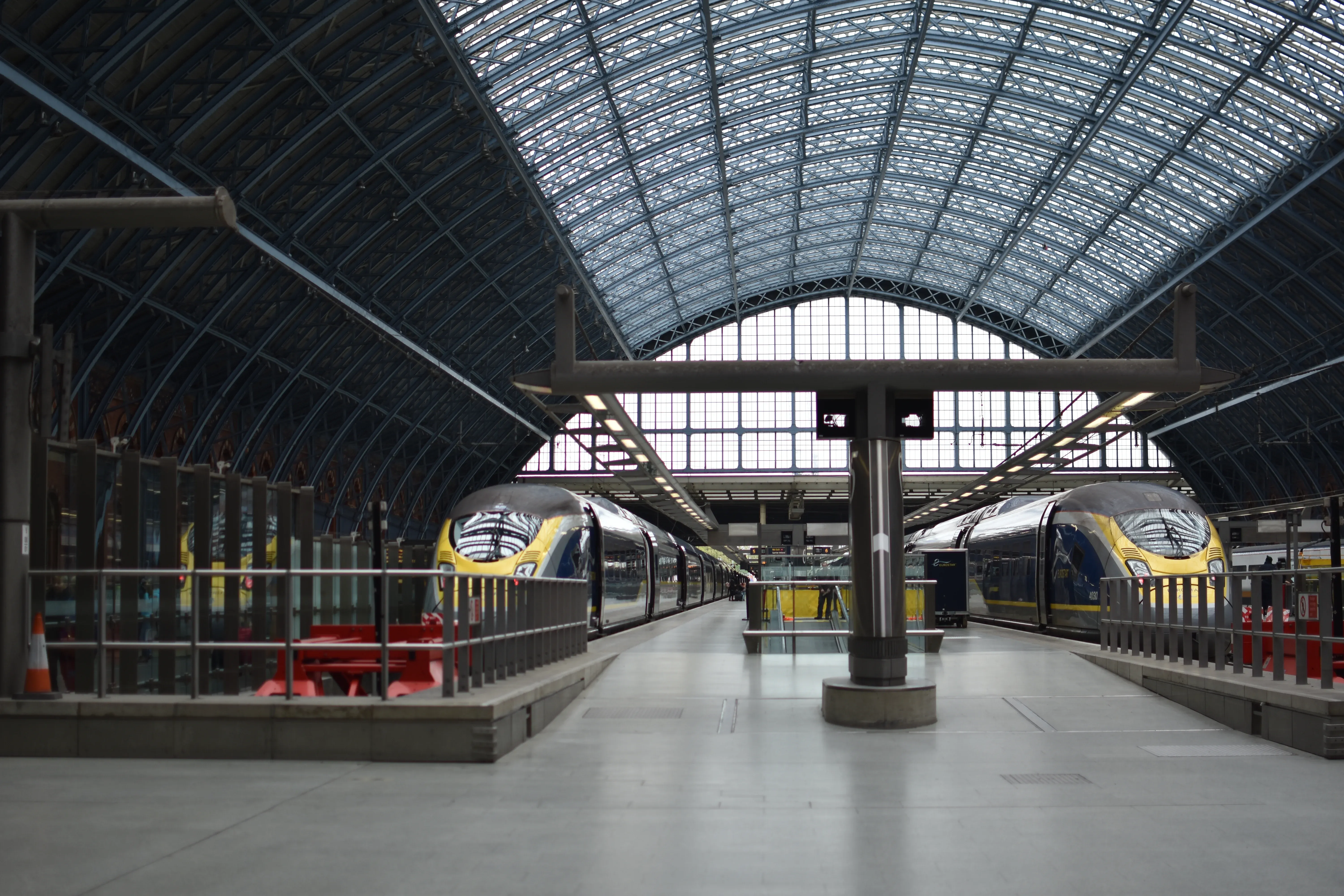
Partly. Eurostar sells senior fares, 10% off for travelers 60 and over, between France, Belgium, the Netherlands, and Germany. There’s no senior fare on trains to or from London. With an Interrail Pass you pay the passholder reservation fee instead, roughly €35 to €40, at any age.
Should seniors buy an Interrail first class pass?
For most, yes. 1st class has wider seats in a 1+2 layout and more luggage space per passenger, because fewer people ride 1st class and each car has fewer seats. With the 10% discount, the price gap over an adult 2nd class pass is often modest.
Do conductors check your age on an Interrail Pass?
No. Conductors don’t check your age. Your date of birth is given when you order. On the train, inspectors will always scan the pass, which shows Senior as your traveler type, but they’re not interested in calculating your age. On a rare occasion a conductor might ask for your passport to confirm your name, not your birthday.
Do seniors get discounted seat reservations?
No. Reservation fees are the same at every age: roughly €10 to €20 for a French TGV, €13 for an Italian Frecciarossa, €35 to €40 for Eurostar, and €35 and up for a Nightjet couchette.
Can you still buy a paper Interrail Pass?
Yes. The paper pass is still sold and works on every train the mobile pass does, which makes it a good choice if you’d rather not depend on a phone app. You pay for shipping, validate it at a staffed station before first use, and it can’t be replaced if lost.
Can older travelers get help at European train stations?
Yes, for free. Germany’s DB Mobility Service Centre, France’s SNCF Assist’enGare, Britain’s Passenger Assist, and Italy’s RFI Sala Blu provide station escorts, wheelchairs, and help with luggage. Book 24 to 48 hours ahead (in Britain, up to 2 hours before) so it’s guaranteed; without a booking, station staff will still help if they can.